Apartment move-out and turnover cleaning in Saint Paul, MN.
Move-out cleaning brings a vacant unit up to move-in standard—kitchens, bathrooms, appliances, fixtures and floors—so the next tenant walks into a unit that shows well.
Request a Turnover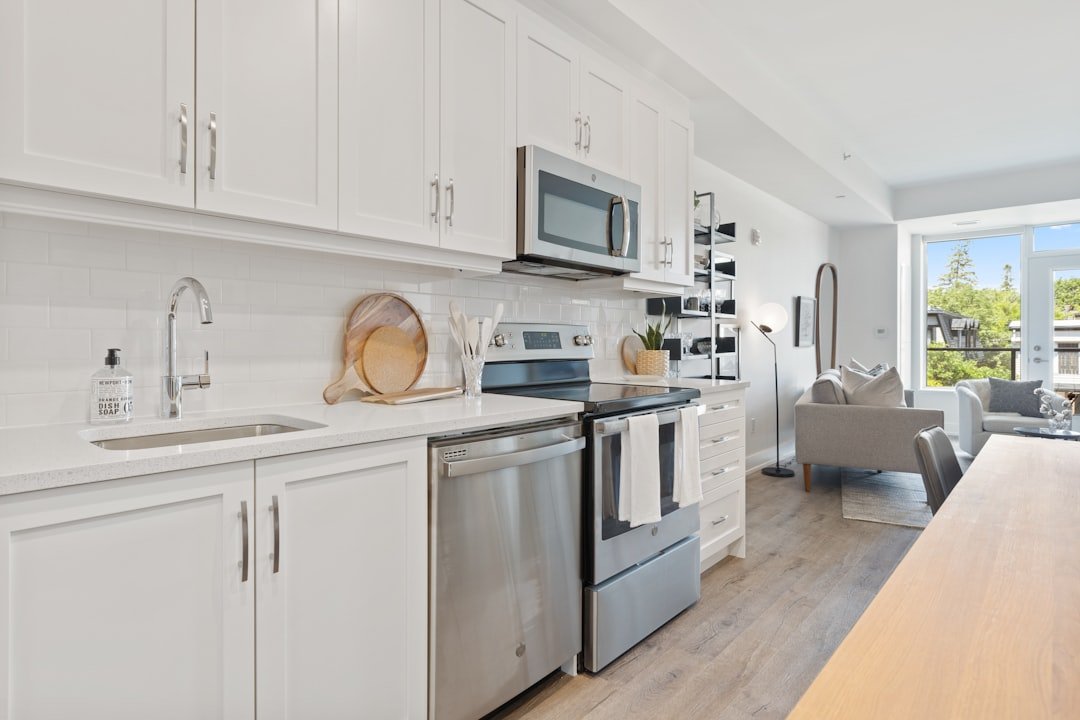
What a turnover cleaning covers
A turnover clean is not the same as a routine tidy-up. It’s a full reset of every surface a new tenant will see, touch, or smell on their first walkthrough. Because the unit is empty, this is the one point in the tenancy cycle where every room can be cleaned completely, without working around furniture or a resident’s schedule.
- Kitchen: appliance interiors and exteriors, cabinets, counters, sink and backsplash
- Bathrooms: tub/shower, toilet, vanity, mirrors, grout and fixtures
- Floors: vacuuming, mopping and detail work along baseboards
- Windows, sills, blinds, light fixtures and switch plates
- Closets, cabinets and any built-in storage left by the previous tenant
Cleaning is often combined with painting or make-ready repairs as part of a complete unit turn, or requested on its own for a unit that only needs a deep clean before showing.
Defining a Cleaning Checklist and Final Presentation Standard
The word “clean” means different things to different people, which is exactly why a written checklist matters more here than it might seem. Before cleaning starts, we confirm what “done” looks like for that specific unit: whether appliance interiors get a full degrease or a wipe-down, whether grout gets treated or just rinsed, whether baseboards and light fixtures are included or handled separately as part of repairs. That checklist becomes the standard the completion review is measured against—not a subjective judgment call made on the day, but a specific, agreed list confirmed in advance.
The “final presentation standard” is the other half of that conversation: what the unit needs to look, and smell, like when a prospective tenant walks through it. That includes things a basic cleaning checklist might miss—no lingering odors from the previous tenant, streak-free windows and mirrors for showings, and staged-ready surfaces free of cleaning residue. A property with a consistent presentation standard across its units tends to show better and lease faster than one where cleaning quality varies unit to unit.
What’s Included vs. What’s Handled Separately
Standard turnover cleaning covers the surface-level reset described above. It does not typically include specialty services like professional carpet shampooing (usually paired with flooring coordination instead), mold or biohazard remediation, or pest treatment—these are flagged separately during the walkthrough if they come up, since they usually require a different type of provider entirely. Being upfront about that distinction during scope confirmation avoids the common frustration of a cleaning crew arriving to find a job that’s actually a repair or remediation problem in disguise.
How Long Turnover Cleaning Takes
A studio or one-bedroom in reasonable condition typically takes a matter of hours for a thorough turnover clean. Units with heavier buildup—grease in the kitchen, mineral deposits in bathrooms, or general neglect over a long tenancy—take longer, since a turnover clean is meant to fully reset the unit rather than do a quick pass. When cleaning is combined with painting or repairs as part of a full unit turn, it’s scheduled last, after dust-generating work is finished, so the final result isn’t undone by the trades that come before it.
Quality Control and the Completion Review
A cleaning job isn’t finished when the last surface is wiped down—it’s finished when it passes a completion review against the checklist agreed at the start. That review typically includes photos of key areas (kitchen, bathrooms, floors) that get logged as part of the unit’s turnover record, giving the property manager a clear reference point of the unit’s condition before the next tenant moves in. If something’s missed—a streak on a mirror, an overlooked cabinet interior—it gets caught and corrected at this stage rather than becoming the new tenant’s first complaint.
The most common oversights we watch for during review aren’t the obvious ones. It’s rarely the kitchen counter that gets missed; it’s the top of the refrigerator, inside the oven’s broiler drawer, behind toilet bowls, and the tracks of sliding closet doors—the areas that don’t get seen unless someone is specifically looking for them. Building the checklist around these commonly-missed spots, rather than just the visible surfaces, is part of what separates a turnover clean from a routine tidy-up.
Setting a Standard Once, Reusing It Every Time
For property managers who turn over units regularly, the checklist and presentation standard established for one unit doesn’t need to be reinvented for the next. Once a property’s cleaning standard is documented, it becomes the reference point for every future turnover at that property, which keeps quality consistent from one vacancy to the next regardless of which unit is turning over or when.
Eco-Friendly and Allergy-Conscious Options
Some property managers prefer low-VOC or fragrance-free cleaning products, either for their own environmental preferences or because a specific building has residents with chemical sensitivities or asthma. This preference is confirmed during scope planning the same way a specific checklist item would be—it’s not automatically assumed, since standard commercial cleaning products remain the default unless a property specifically requests otherwise. Flagging this once at the property level means every future turnover at that address follows the same standard automatically.
FAQ
Is move-out cleaning included in every turnover request?
You choose the services a unit needs on the request form—cleaning can be requested alone or combined with other make-ready work.
What condition should the unit be in before cleaning starts?
Cleaning is scheduled once the unit is vacant and any tenant belongings have been removed; trash-out coordination is available separately if items were left behind.
Who decides what counts as an acceptable final presentation standard?
It’s confirmed with the property manager during scope planning—checklist items and the completion standard are agreed before work begins, not assessed after the fact.
Does cleaning include carpet shampooing?
Not by default—carpet cleaning is typically handled through flooring coordination, since it’s often assessed alongside broader flooring condition.
What if the unit has odor issues from the previous tenant?
Persistent odors (smoke, pets) are flagged during the walkthrough, since they sometimes require treatment beyond standard cleaning, such as sealing or specialized odor treatment.
Need a unit cleaned for move-in?
Tell us the property and target date.